Reaction Time Test
Click when the screen turns green
The Reaction Time Test (also called a reflex test or response time test) measures how quickly you can respond to a visual stimulus — specifically, how fast you click after the screen changes color. It measures your visual reaction time in milliseconds, a key metric in competitive gaming, sports, and driving safety. Based on data from thousands of reaction time tests, the average user scores between 200–260ms, with trained gamers consistently reaching 150–200ms.
How to Use
- 1Click the start button to begin
- 2Wait for the screen to change from red to green
- 3Click as fast as possible when you see the color change
- 4Your reaction time in milliseconds is displayed — take multiple attempts for an average
Your Number Includes Your Hardware
Part of every reaction score is not you at all. The green signal has to travel from the test code to your screen, and your click has to travel from the mouse back to the browser. A 60Hz monitor refreshes every 16.7ms, so the color change can sit in the display pipeline for most of a frame before you ever see it. A budget mouse polling at 125Hz reports your click up to 8ms late on top of that.
Swap to a 240Hz monitor and a 1000Hz mouse and the same brain produces a score 15 to 20ms better. So compare your results against your own previous runs on the same setup. Cross-setup comparisons mix biology with hardware and tell you very little. For a full breakdown of how scores spread across the population, see our reaction time statistics.
The Five-Attempt Rule
A single attempt is nearly meaningless. Reaction time naturally swings 30 to 50ms between consecutive tries because attention drifts, and one lucky anticipation can fake an elite score. Take five attempts minimum and watch the average, not the best run.
Your spread matters too. If your five attempts land within 20ms of each other, your attention is locked in. A spread of 60ms or more usually means you are tired, distracted, or guessing instead of reacting. Pro players are not just fast, they are consistent, and consistency is the part you can actually train day to day. Curious how your average stacks up by age bracket? Check average reaction time by age.
What is a Good Score?
The average human visual reaction time is 200–250ms. Casual gamers typically average 180–220ms. Competitive FPS players often achieve 150–180ms. Elite pro gamers can reach 120–150ms. Under 120ms is extraordinarily fast and rare in a fair reaction test.
Tips to Improve
- →Do not try to anticipate the stimulus — clicking too early adds a penalty and skews your average
- →Good lighting in your room reduces eye strain and keeps your visual system sharp
- →Monitor refresh rate matters: a 144Hz screen updates every 7ms vs 16ms on a 60Hz screen
- →Caffeine improves alertness and can shave 10–20ms off your reaction time temporarily
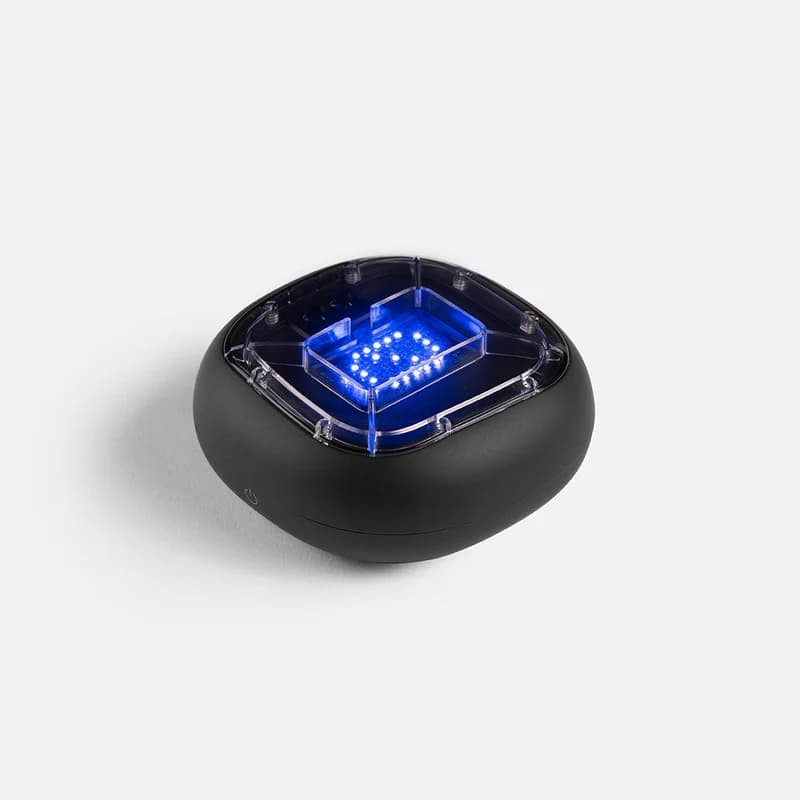
Physical training with A-Champs ROX sensors develops reaction speed faster than screen-only drills. Affiliate link — we may earn a commission at no extra cost to you.
Frequently Asked Questions
What is average reaction time for a human?
The average human visual reaction time is 200–250ms. Athletes and gamers who train regularly often average 150–200ms. Under 150ms is considered elite in any reaction time test.
Can reaction time be improved with practice?
Yes. Regular reaction time testing and aim training can improve your average by 20–40ms over weeks of practice. Sleep, hydration, and caffeine also have measurable effects on reaction speed.
What is a pro gamer's reaction time?
Professional FPS players typically measure 120–180ms in controlled reaction tests. In-game reaction time is higher due to decision-making overhead, usually 150–250ms.
Does age affect reaction time?
Yes. Reaction time peaks around age 18–24 and gradually increases after that. By age 60, average reaction time is typically 250–300ms. Regular practice slows this decline significantly.
What is the difference between a reaction test and a reflex test?
"Reaction time" is the precise term — it measures the gap between a stimulus and your response in milliseconds. "Reflex test" is used informally to mean the same thing. True reflexes (like a knee jerk) are involuntary, while reaction time involves a conscious response.
Five attempts, look at the average. The test above keeps score for you.
Also Try
Built and maintained by Abdul Shakoor. Every test runs locally in your browser, free with no signup.