How to Improve Reaction Time (7 Methods That Work)
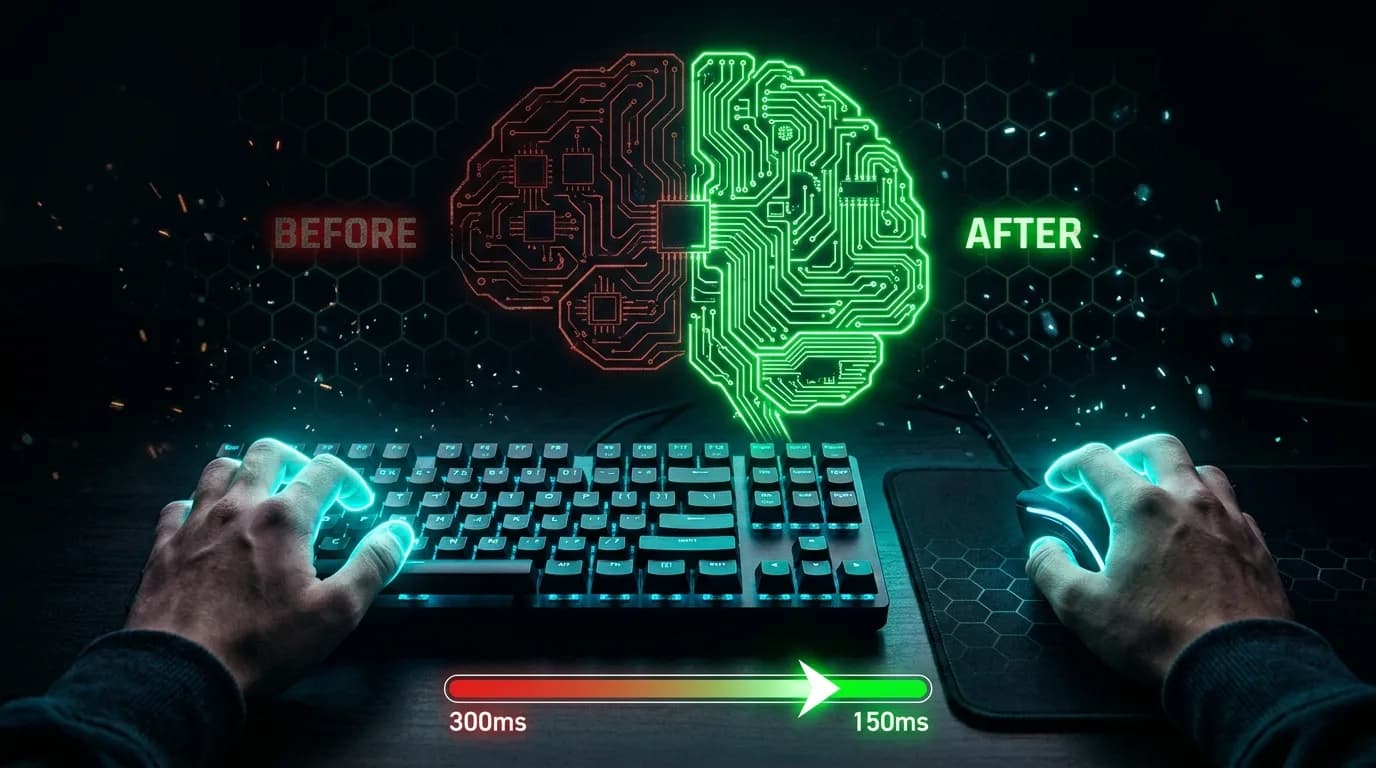
You can improve your reaction time with consistent daily practice, quality sleep, and the right training tools. Most people see measurable improvement within 1-2 weeks. The fastest gains come from reaction time test practice, aim trainer sessions, and fixing basic habits like sleep and hydration. This guide covers 7 methods that are actually backed by research, not just gamer folklore.
Why Reaction Time Is a Skill, Not a Gift
Reaction time is trainable. Your brain builds faster neural pathways through repeated stimulus-response cycles, the same way a physical skill improves with repetition. Age plays a role, but for most people under 40, consistent practice matters more than your starting point.
Check our average reaction time by age breakdown to see where you currently stand before you start training.
7 Ways to Improve Your Reaction Time
These methods work whether you're training for Valorant, CS:GO, Fortnite, Rainbow Six Siege, boxing, or just want faster reflexes in everyday life.
1. Practice Daily with a Reaction Time Test
The single most effective method. Your brain adapts to repeated stimulus-response patterns, and even 5 minutes a day creates measurable change over time. Consistency beats duration every time.
Use the free reaction time test on ToolsBracker to track your baseline and measure improvement over time.
2. Use an Aim Trainer
Aim trainers build hand-eye coordination and visual processing speed at the same time. Valorant and CS:GO pros use them daily as part of their warm-up routine.
ToolsBracker's free aim trainer is a solid starting point if you want structured practice that also sharpens your accuracy.
3. Get Consistent Sleep
According to the National Sleep Foundation, sleep deprivation adds 30-50ms to your reaction time. One bad night can put you at a measurable disadvantage before you even queue up. The target is 7-9 hours, and it's the easiest free upgrade on this list.
4. Warm Up Before Gaming Sessions
Cold reactions are slow reactions. Five minutes of easy aim trainer drills or a few quick reaction tests before you go competitive clears the cobwebs. Most players skip this step and wonder why their first game of the day feels sluggish.
5. Reduce Screen Brightness and Input Lag
A 144Hz monitor updates 7ms faster than a 60Hz one, and that 7ms shows up in every test you take. High screen brightness also increases eye strain over long sessions, which slows visual processing. These are hardware fixes, but they're worth knowing.
6. Train Peripheral Vision
Most FPS threats come from outside your direct line of sight. Training peripheral awareness improves how fast you respond to movement you weren't directly focused on. Wide-angle drills that force you to react to off-center stimuli work well for this.
7. Stay Hydrated and Avoid Heavy Meals Before Playing
Dehydration slows cognitive processing, and a heavy meal diverts blood flow away from the brain. These are the simplest fixes on the list, and most players ignore both. Drink water before sessions and eat light if you're planning competitive play.
How Long Does It Take to Improve Reaction Time?
Most people see 10-20ms improvement within 1-2 weeks of daily practice. Going from 280ms to 220ms typically takes 3-4 weeks of consistent training. Pro-level times under 180ms take months of dedicated work.
Progress is fastest in the first few weeks, then slows as you approach your ceiling. If your numbers stall after a month, that's normal. Keep the habit and the gains continue, just more gradually.
See our what is a good reaction time guide to know what score to aim for at each stage of your training.
Affiliate Partner
Take Your Training Off-Screen
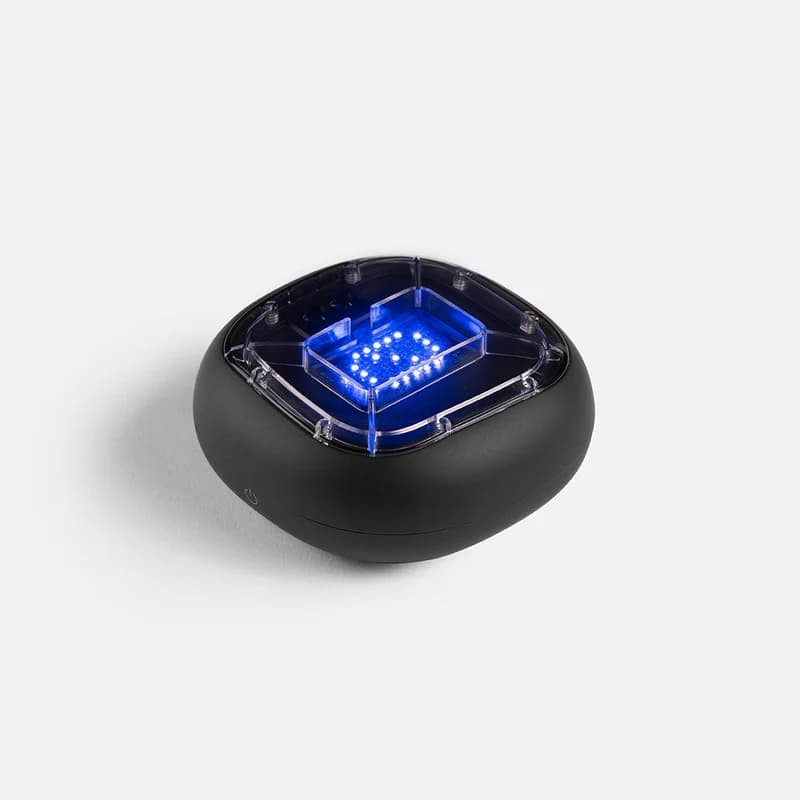
Elite reaction sensors used by professional clubs. Use code TOOLSBRACKER10 for 10% off.
Shop ROX SensorsAffiliate link — if you buy through it, we may earn a commission at no extra cost to you.
Frequently Asked Questions
How do I improve my reaction time for gaming?
Practice daily using a reaction time test and aim trainer. Warm up before competitive sessions and make sure you're getting enough sleep. Most players see improvement within 1-2 weeks of consistent training.
How long does it take to improve reaction time?
Most people see measurable improvement within 1-2 weeks of daily practice. Going from an average of 280ms to a competitive 220ms typically takes 3-4 weeks. Progress slows after the first month but continues with consistent effort.
Can you actually train reaction time?
Yes. Reaction time is a trainable skill. Your brain builds faster neural pathways through repeated practice, the same way any physical skill improves with training. Age affects your ceiling but consistent practice moves you closer to it.
How do I improve my reaction time in Valorant?
Use an aim trainer daily, warm up before ranked matches, and track your raw reaction time with a dedicated test. Valorant pros average 160-180ms. Most players can reach 200ms or below with 2-4 weeks of focused training.
Does sleep affect reaction time?
Yes, significantly. Even mild sleep deprivation adds 30-50ms to your reaction time. One bad night of sleep can put you at a measurable disadvantage in competitive games. Consistent 7-9 hours of sleep is one of the easiest performance upgrades available.
What exercises improve reaction time?
Reaction time test practice, aim trainer drills, and peripheral vision exercises are the most effective. Physical activities like boxing, table tennis, and badminton also build reflexes because they combine physical movement with fast visual processing.
Ready to measure where you are right now? No signup, instant results. Track your improvement daily and watch your ms drop.
Free, no signup, results in seconds.
Take the Reaction Time Test